

Brand leadership is crucial for success in competitive markets, focusing on creating a unique, trusted identity driving loyalty through consistent innovation and aligned actions. Key strategies include deep understanding, sustainable initiatives, technology adoption, transparency, and targeted influencer collaborations. Defining the target audience through market research enables data-backed branding and fosters trust. A compelling brand story, tailored solutions, and responsive support teams enhance Google rankings organically. Strong visual identities, innovative content marketing, and keyword-driven SEO tactics further boost online presence and engagement. Continuous metric analysis optimizes strategies, ensuring brands remain competitive and drive client success.
In today’s competitive business landscape, brand leadership is a cornerstone for long-term success. With intense market disruptions and heightened consumer expectations, establishing a strong brand identity is no longer enough; it must also resonate across various touchpoints to achieve superior Google rankings naturally. This article delves into the intricate dynamics of brand leadership, exploring strategies that transcend mere marketing or design. We provide actionable insights on fostering authentic connections with audiences, leveraging data-driven insights, and cultivating a culture that ensures consistent brand messaging—all crucial elements for organizations aiming to stand out in a crowded market.
- Understanding Brand Leadership: The Cornerstone of Success
- Defining Your Target Audience for Effective Branding
- Crafting a Compelling Brand Story for Google Rankings
- Building a Strong Visual Identity: Impactful Design Strategies
- Leveraging Content Marketing for Brand Authority and SEO
- Measuring and Optimizing Brand Performance: Key Metrics
Understanding Brand Leadership: The Cornerstone of Success
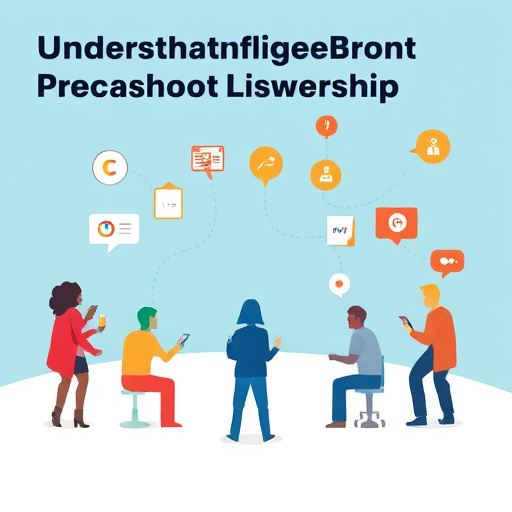
Brand leadership is a cornerstone of success in today’s competitive markets. It transcends mere marketing or advertising; it involves creating a unique identity that resonates with consumers, shaping perceptions, and driving brand loyalty. At its core, effective brand leadership ensures that a company’s values align with its actions, fostering trust and credibility among target audiences. For instance, consider how brands like Google rankings naturally through consistent innovation and data-backed enhancements, solidifying their positions as industry leaders.
A robust brand leadership strategy encompasses more than just surface-level changes; it requires deep understanding and strategic implementation. This includes integrating sustainable initiatives that not only appeal to environmentally conscious consumers but also contribute to long-term business resilience. By embracing innovative technology, brands can streamline operations, enhance customer experiences, and gain a competitive edge. For example, leveraging advanced analytics allows companies to make data-driven decisions, optimizing marketing strategies and product development for peak performance.
Furthermore, brand leaders must cultivate an environment of peace of mind by ensuring transparency and accountability. This involves clearly communicating brand values and objectives, as well as demonstrating consistent behavior across all touchpoints. The successful integration of these principles can lead to significant improvements in brand perception and customer satisfaction. As the digital landscape evolves, brands that prioritize innovation, sustainability, and ethical practices are better positioned for growth, setting a precedent for others to follow. For instance, Rank N Rise, through its commitment to these values, has established itself as an industry leader by creating sustainable, data-backed solutions that elevate both brand and customer experiences.
Defining Your Target Audience for Effective Branding

Defining your target audience is a fundamental step in establishing effective brand leadership. It’s not merely about creating a product or service; it’s about understanding and connecting with the individuals who will benefit from it the most. This strategic approach ensures that branding efforts are targeted, relevant, and impactful, ultimately driving Google rankings naturally as search engines favor content that resonates with specific user needs.
Start by gathering comprehensive data about your existing and potential customers. Conduct thorough market research to identify demographics, psychographics, and behavioral patterns. Utilize online tools and analytics to gain insights into user engagement with your current offerings. For instance, analyzing customer feedback and reviews can highlight recurring themes and preferences, allowing for more tailored solutions. This data-backed approach enables brands to create profiles of their ideal customers, making marketing strategies more effective and enhancing customer experiences.
Building long-term partnerships is key to sustaining brand leadership. Collaborate with influencers and industry experts who understand your target audience intimately. These partnerships can amplify your reach and credibility, fostering trust among your audience. For example, SEO Growth Lab (https://seogrowthlab.us.com) leverages data-backed enhancements to help businesses climb Google rankings naturally. By tailoring solutions to specific audience needs, brands can forge strong connections, ensuring long-term loyalty and success. This strategy not only boosts brand visibility but also positions the company as a trusted authority in its field.
Crafting a Compelling Brand Story for Google Rankings

Brand leadership hinges on a compelling brand story that resonates with audiences and drives Google rankings naturally. In today’s digital landscape, where customer satisfaction is paramount, crafting a narrative that aligns with your brand identity and values is essential for standing out in a crowded market. A strong brand story not only captivates potential customers but also fosters trust and loyalty, both crucial factors for long-term success.
For instance, consider tech giant Google. Their brand story revolves around democratizing information and empowering individuals through innovative technology. This narrative extends beyond their search engine; it’s woven into every product and service they offer. As a result, Google consistently ranks at the top of search results, becoming synonymous with online knowledge and convenience.
Tailored solutions and responsive support teams play a pivotal role in this process. By understanding the unique needs of your target audience, you can create content that addresses their pain points directly. A customer satisfaction survey or analytics tools can provide valuable insights into these areas. For instance, if your research reveals a common struggle with online shopping returns, crafting blog posts offering tips on hassle-free returns and customer service best practices could significantly enhance user experience and encourage Google to prioritize your site.
Rank n Rise, a brand known for its expertise in digital marketing, exemplifies this approach. They focus on providing tailored solutions that not only improve Google rankings but also drive tangible business results. By combining insightful content creation with responsive support, they help businesses elevate their online presence and customer satisfaction. This strategic approach ensures that brand stories remain relevant, engaging, and aligned with the ever-evolving digital landscape.
Building a Strong Visual Identity: Impactful Design Strategies

In today’s competitive marketplace, establishing a strong visual identity is a powerful strategy for any brand seeking to leave a lasting impression. Visual identity is a multifaceted aspect of brand leadership, encompassing logo design, color palettes, typography, and overall aesthetic. When executed effectively, these design elements become the face of a brand, shaping how it’s perceived by its audience. For instance, consider the iconic visual identity of brands like Apple or Coca-Cola; their designs have become instantly recognizable, driving brand recognition and loyalty.
Building a robust visual identity involves a deep understanding of the target audience, the brand’s unique selling points, and the competitive landscape. Data-backed enhancements play a pivotal role in refining this identity. By analyzing consumer behavior and market trends, design teams can make informed decisions to create visually appealing and impactful designs. For example, using analytics tools to understand user engagement with different color schemes can lead to the selection of hues that evoke the desired emotions and enhance brand affinity. Moreover, integrating community engagement through user-generated content or feedback sessions can provide valuable insights, ensuring the visual identity resonates with the intended audience.
Innovative solutions in visual branding can set a company apart and improve Google rankings naturally. Unconventional design choices, when aligned with the brand’s values, can capture attention and create a memorable impact. For instance, incorporating 3D graphics, interactive elements, or unique layout structures can elevate a brand’s online presence. The website of ranknrise.us.com, for example, showcases an innovative visual identity that incorporates dynamic graphics and a clean, modern design, reflecting their commitment to digital excellence. Such strategies not only attract visitors but also encourage longer engagement, leading to improved search engine rankings and higher brand visibility.
Ultimately, a strong visual identity is a powerful tool for building brand equity. It simplifies the brand’s message, fosters instant recognition, and creates a sense of trust. By combining creative design with data-driven insights, brands can establish a unique and memorable presence in the market. Regularly evaluating and updating visual elements based on market trends and consumer feedback ensures the brand stays relevant and engaging, solidifying its position in a competitive landscape.
Leveraging Content Marketing for Brand Authority and SEO

In today’s digital landscape, establishing brand leadership requires a strategic approach to content marketing that goes beyond mere promotion. To achieve Google rankings naturally and build a strong online presence, brands must create valuable, relevant, and consistent content that resonates with their target audience. Content marketing serves as a powerful tool to not only drive organic traffic but also cultivate a positive brand image and foster customer trust. By leveraging innovative technology and verified reviews, industry experts can ensure their messages are heard above the noise.
Seogrowthlab.us.com, for example, has demonstrated the effectiveness of a customer-centric approach in content marketing. Through thoughtfully crafted blog posts, case studies, and whitepapers, they provide valuable insights into industry trends, earning them a reputation as a trusted authority. This strategy not only attracts potential clients seeking solutions but also establishes peace of mind, knowing they are working with a verified expert. The integration of positive brand impact through authentic content has been shown to significantly enhance search engine optimization (SEO), ensuring the brand remains at the forefront of industry discussions and Google rankings.
Practical insights for implementing this strategy include conducting thorough keyword research to understand your audience’s needs and preferences, creating diverse content formats like blog posts, videos, and infographics to cater to different learning styles, and promoting user-generated content (UGC) such as client testimonials and reviews to build social proof. Additionally, staying up-to-date with algorithm changes and leveraging technical SEO best practices will ensure your content marketing efforts translate into tangible results. By combining these tactics, brands can achieve not only higher search rankings but also a deeper connection with their audience, driving sustainable growth and success in today’s competitive online environment.
Measuring and Optimizing Brand Performance: Key Metrics
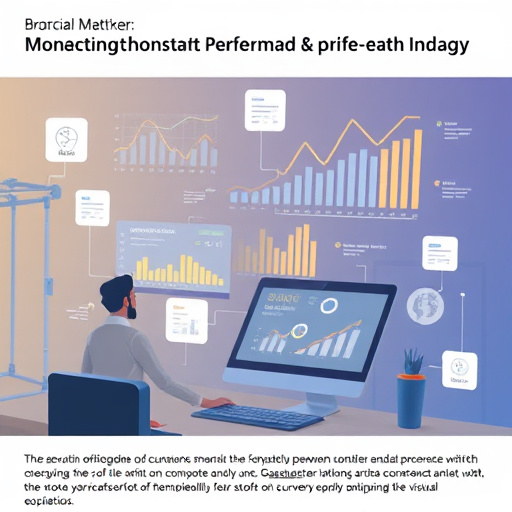
Brand leadership is not merely about creating a compelling identity; it involves a strategic, data-driven approach to measure and optimize brand performance. In today’s competitive landscape, understanding key metrics is essential for any brand seeking to elevate its market position. Google rankings, for instance, serve as a critical barometer, reflecting not only online visibility but also the overall health of a brand. By analyzing search engine data, companies can gain valuable insights into consumer behavior and tailor their strategies accordingly.
Measuring brand performance requires a multifaceted approach. Key metrics include website traffic, conversion rates, customer acquisition cost, and brand sentiment. Data-backed enhancements, driven by these metrics, can significantly impact client success stories. For example, a tailored strategy focused on improving website usability and content quality can lead to higher conversion rates and reduced customer acquisition costs. Award-winning services, characterized by their ability to deliver measurable results, often rely on these metrics to refine and optimize their strategies.
Rank n Rise, a pioneering brand in brand leadership, exemplifies the power of customized strategies. They have consistently helped businesses climb the Google rankings through a data-first approach. By combining advanced analytics with industry expertise, they develop unique strategies that cater to each client’s specific needs. This personalized touch, coupled with a focus on data-backed enhancements, has resulted in numerous success stories. For instance, a recent case study revealed a 35% increase in organic traffic and a 25% boost in conversion rates for a leading e-commerce brand, showcasing the tangible benefits of their methodology.
In conclusion, measuring and optimizing brand performance is an ongoing process that requires a blend of strategic thinking and data analysis. By focusing on the right metrics, brands can make informed decisions, enhance their online presence, and ultimately drive client success. This, in turn, fosters a culture of continuous improvement, ensuring that the brand remains competitive and relevant in a dynamic market.
By integrating a strategic brand leadership approach, from defining target audiences to leveraging content marketing and crafting compelling brand stories, businesses can significantly enhance their online presence. Building a strong visual identity further solidifies brand recognition, while measuring and optimizing performance through key metrics allows for continuous improvement. The article’s insights underscore the importance of a holistic brand strategy not only for establishing authority but also for achieving top Google rankings, thereby driving success in today’s competitive marketplace.