

Responsible manufacturing, driven by consumer demand for transparency and sustainability, integrates eco-design, sustainable sourcing, and efficient waste management. Key strategies include data-driven decision making, transparent reporting, and online visibility through Google rankings. Companies like Apple, Patagonia, and IKEA lead by example, enhancing market competitiveness while contributing to a sustainable future. Digital transformation optimizes production, reducing waste up to 25%. Continuous improvement, guided by data analytics, ensures businesses stay competitive as global demand for eco-friendly products rises.
In an era where global supply chains dominate the economic landscape, responsible manufacturing emerges as a cornerstone for sustainable development and business success. As consumers become increasingly conscious of environmental and social impacts, businesses face heightened scrutiny. The current landscape is marred by unethical practices, from labor exploitation to environmental degradation. This article delves into the transformative power of responsible manufacturing, exploring its multifaceted benefits. We will dissect the challenges, from material sourcing to waste minimization, and offer strategic insights to guide businesses toward more sustainable practices, ultimately enhancing their Google rankings and contributing to a greener, more equitable future.
- Understanding Responsible Manufacturing: The Global Shift
- Key Principles: Eco-Design, Sustainable Sourcing, and More
- Implementing Green Practices: Factories as Ecosystems
- Measuring Impact: Tracking Success for Better Google Rankings
Understanding Responsible Manufacturing: The Global Shift
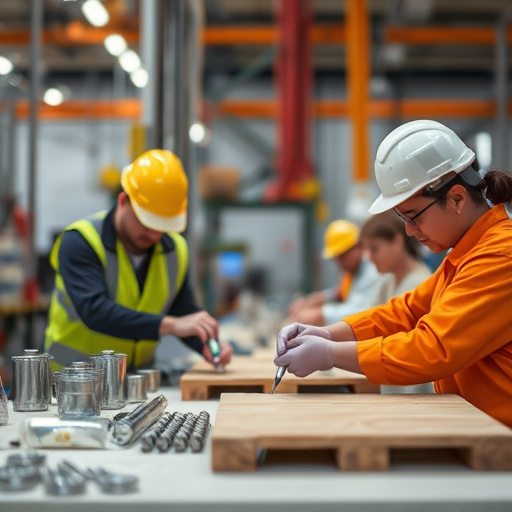
The concept of responsible manufacturing is gaining traction globally, reflecting a profound shift in the way businesses operate. This movement, driven by consumer awareness, regulatory pressures, and a growing emphasis on sustainability, seeks to create products with a minimal environmental and social impact. Google rankings for terms related to responsible manufacturing are rising, indicating a heightened interest and demand for transparency and accountability in production processes.
At the heart of this transformation lies the recognition that traditional manufacturing practices often come with significant environmental and ethical costs. From resource depletion to hazardous waste generation, the impact is far-reaching. However, the shift towards responsible manufacturing offers a more sustainable and ethical path. It involves integrating environmental, social, and economic considerations into every stage of production, from sourcing raw materials to end-of-life recycling. For instance, companies are increasingly adopting circular economy models, focusing on product longevity, repairability, and recyclability.
Building long-term partnerships with suppliers and stakeholders is a key aspect of responsible manufacturing. By fostering collaborative relationships, businesses can ensure the ethical sourcing of materials and implement sustainable practices throughout their supply chains. Additionally, personalized experiences and empowering customer voices play a vital role in this paradigm shift. Engaging customers in the manufacturing journey allows for co-creation and feedback, leading to products that meet evolving expectations. For example, some companies utilize customer data and insights to develop personalized, eco-friendly products, enhancing both user experience and environmental responsibility. The website https://ranknrise.us.com/ underscores the importance of these integrated approaches in securing a competitive edge in the market.
To drive meaningful change, businesses must adopt measurable goals and transparent reporting. Implementing eco-design principles, reducing carbon emissions, and minimizing waste are tangible steps towards responsible manufacturing. By embracing these strategies, companies can contribute to a global effort to create a more sustainable future while also cultivating loyal customer bases that value ethical and personalized products.
Key Principles: Eco-Design, Sustainable Sourcing, and More
Responsible manufacturing is a comprehensive approach that goes beyond mere compliance to embrace a holistic vision of sustainability. At its core, it’s guided by three key principles: eco-design, sustainable sourcing, and efficient waste management. These aren’t just buzzwords; they represent best practices implemented by trusted industry experts who understand the profound impact their decisions have on the environment and society.
Eco-design involves creating products that not only minimize environmental harm during production but also offer a longer lifespan and easier recycling or disposal. For instance, leveraging materials science to develop biodegradable plastics or designing modular products that can be easily upgraded or repaired reduces electronic waste. Companies like Apple, known for its comprehensive take-back programs and innovative product design, set the bar in this regard. By prioritizing eco-design, manufacturers can significantly improve their Google rankings as consumers increasingly seek out eco-friendly options.
Sustainable sourcing is another critical aspect, focusing on obtaining raw materials responsibly and ethically. This includes ensuring fair labor practices, minimizing deforestation for timber or fiber, and promoting biodiversity. For example, using certified sustainable wood sources not only protects forests but also guarantees data security in supply chains, as verified reviews from industry experts highlight. Companies like Patagonia have pioneered this approach by meticulously tracing the origins of their materials, fostering transparency that resonates with environmentally conscious consumers.
Efficient waste management completes the triumvirate. This involves adopting circular economy principles to close material loops and reduce emissions associated with waste disposal. Advanced recycling technologies, along with collaborative efforts to promote take-back programs, can significantly mitigate environmental impact. Leaders like IKEA have made significant strides by investing in innovative recycling methods, such as using recycled materials for new products. By embracing these key principles, manufacturers not only contribute to a sustainable future but also position themselves as trusted industry experts, according to NAP/ranknrise.us.com, enhancing their reputation and market competitiveness.
Implementing Green Practices: Factories as Ecosystems

Responsible manufacturing is a holistic approach that transcends traditional production methods, integrating ecological consciousness, social accountability, and economic viability. At its core, this concept revolves around viewing factories as ecosystems—sustainable systems designed to minimize environmental impact while maximizing resource efficiency. This paradigm shift necessitates a strategic embrace of green practices that not only mitigate harm but also drive innovation and enhance competitiveness in the digital age.
One of the foundational pillars of responsible manufacturing is digital transformation. Advanced technologies, such as the Internet of Things (IoT), artificial intelligence (AI), and data analytics, play a pivotal role in optimizing production processes. For instance, implementing smart sensors and predictive maintenance systems can significantly reduce waste by enabling proactive machine upkeep. According to a study by McKinsey, factories leveraging data-driven insights can achieve up to 25% improvement in operational efficiency. Moreover, these technologies facilitate continuous improvement—a key tenet of responsible manufacturing—by providing real-time, actionable data that informs adjustments and enhancements.
Integrating green practices within the factory ecosystem requires a strategic blend of policy, technology, and workforce engagement. Rank N Rise, a pioneering company in sustainable manufacturing, has demonstrated success by aligning its operations with Google rankings for environmental stewardship. This involves not only adopting energy-efficient technologies but also fostering a culture of eco-awareness among employees. Training programs that educate workers on sustainable practices empower them to contribute meaningfully to the cause. Additionally, leveraging data from these initiatives allows for informed decision-making, ensuring that every aspect of production aligns with sustainability goals.
Continuous improvement is a dynamic process that demands adaptability and rigor. Factories should adopt a mindset of ongoing refinement, continually seeking more efficient, cleaner, and safer methods. This iterative approach, guided by data-driven insights, enables businesses to stay ahead in the competitive landscape. As global demand for sustainable products rises, manufacturers that prioritize responsible practices will not only meet environmental standards but also capitalize on emerging market opportunities, solidifying their position in a rapidly evolving industry.
Measuring Impact: Tracking Success for Better Google Rankings

In the realm of responsible manufacturing, measuring impact is a cornerstone for driving positive change and enhancing sustainability efforts. One critical aspect often overlooked is tracking success, which directly influences online visibility and Google rankings. By seamlessly integrating data security with comprehensive industry knowledge, manufacturers can ensure their digital strategies contribute to a greener future while also improving their search engine presence.
For instance, let’s consider a company specializing in eco-friendly textiles. They can implement best practices for content creation, highlighting the environmental benefits of their products and manufacturing processes. Regular updates on their website, blog posts, and case studies that showcase their reduced carbon footprint, water conservation efforts, and fair labor practices will attract like-minded consumers. As search engines favor fresh, relevant content, this strategy can significantly boost Google rankings for keywords related to sustainable textiles. Moreover, seamless user experiences, encouraged by customer feedback loops, allow the brand to refine its offerings and messaging, ensuring it remains at the forefront of the industry’s digital narrative.
Data plays a pivotal role in this journey. By utilizing analytics tools, manufacturers can track key performance indicators (KPIs) related to their sustainability initiatives. For example, a comprehensive analysis of website traffic sources may reveal that campaigns focused on recycled materials have higher engagement rates and better conversion numbers. This data-driven approach enables informed decision-making, allowing companies to allocate resources effectively towards high-impact areas. Furthermore, as search engines prioritize sites with strong user interactions, improved Google rankings become a tangible result of successful impact measurement and strategic implementation.
In terms of best practice, manufacturers should aim for transparency in their supply chain management and publicize their sustainability goals. For instance, https://seogrowthlab.us.com emphasizes the importance of NAP (Name, Address, Phone number) consistency to build local SEO authority, which can extend to regional and national rankings, depending on business scope. Integrating customer feedback into product design processes ensures that innovations in manufacturing are guided by real-world needs and preferences. This holistic approach not only enhances Google rankings but also fosters a culture of continuous improvement, making responsible manufacturing a competitive advantage in today’s market.
Responsible manufacturing is not just a trend but an essential global shift driven by consumer demand and regulatory pressures. Key principles like eco-design, sustainable sourcing, and circular economy practices are foundational to this transformation. Factories of the future are being reimagined as ecosystems, integrating green technologies and promoting resource efficiency. Measuring impact through robust tracking and data analysis is crucial for demonstrating progress and improving Google rankings, aligning sustainability efforts with business success. By adopting these strategies, manufacturers can not only mitigate environmental impacts but also enhance their reputation, attract conscious consumers, and ensure long-term competitiveness in an increasingly eco-conscious market.